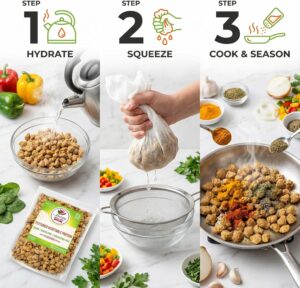

Basic TVP (Textured Veg Protein) Sausage

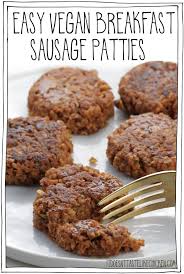
Basic TVP (Textured Veg Protein) Sausage Crumbles 1cup textured vegetable protein

Ingredients

  • 1 cup TVP granules
  • 1 cup hot water or broth
  • 2 tbsp soy sauce or tamari (umami)
  • 1 tbsp maple syrup (breakfast sweetness)
  • 1 tsp liquid smoke (optional, for smoke flavor)

Seasoning:

1 tbsp nutritional yeast

1 tsp ground sage

1 tsp fennel seeds

1 tsp garlic powder

1 tsp onion powder

1/2 tsp black pepper

 Optional:

1/4 tsp cayenne

1⁄2teaspoon cumin

1teaspoon poultry or 1 teaspoon Italian seasoning

1⁄2teaspoon red pepper flakes (or more to taste)

1teaspoon paprika

1⁄2teaspoons salt

Instructions

  1. Rehydrate:In a large bowl, mix TVP with all seasonings and nutritional yeast. Pour in the hot water, soy sauce, maple syrup, and liquid smoke. Stir well.
  2. Rest:Cover and let it sit for 5–10 minutes until the water is absorbed.
  3. Cook:Heat a non-stick skillet over medium heat (add a little olive oil if desired). Sauté the hydrated mixture for 3–5 minutes until browned and slightly crispy.

Bob’s Red Mill +3

Tips for Success

  • For Patties: Add 1/2 cup quick oats and 2 tablespoons of ground flaxseed or flour to the mixture to help it stick together. Shape into patties and pan-fry or bake at 400°F for 15–20 minutes.
  • Flavor Boosters: For extra flavor, use veggie bouillon instead of water, and ensure fennel seeds are used for the classic sausage taste.
  • Storage: Store crumbles in an airtight container in the fridge for up to 4 days, or freeze for up to 2 months.


Potato Flour

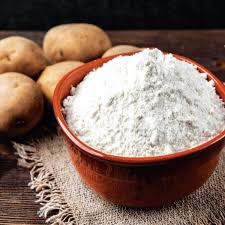
Potato flour is a highly moisture-retentive, gluten-free, and nutrient-dense ingredient used to improve the texture of baked goods, thicken liquids, and create crispy coatings. It is ideal for enhancing yeast breads, brioche, soft rolls, pancakes, and muffins by keeping them soft and fluffy. It also acts as a binder in meatballs and as a thickening agent for sauces and stews.

Key Tips for Freezing Potato Flour:

  • Airtight Packaging: Store in airtight containers or vacuum-sealed bags to prevent the flour from absorbing odors or moisture from the freezer.
  • Prevent Pests: Freezing for at least 48 hours to a week can kill any potential bug eggs.
  • Thawing: Before using, allow the flour to return to room temperature to prevent condensation.

For optimal, long-term storage (potentially years), you can also use Mylar bags with oxygen absorbers after the initial freezing period.


Top Cooking and Baking Uses for Potato Flour:

  • Baking and Bread Making: Replace 10–20% of your regular flour with potato flour in recipes to increase moisture retention and prolong freshness. It is excellent for yeast breads, sweet breads, cinnamon rolls, and pancakes for a tender, delicate crumb.
  • Gluten-Free Baking: Adds essential moisture and improves the structure of gluten-free muffins, cakes, and quick breads.
  • Thickener for Soups and Sauces: Mix into soups, stews, sauces, or gravies for a smooth, creamy texture. It is highly effective as a gluten-free thickener.
  • Binding Agent: Use in meat, veggie patties, or meatloaf to help hold ingredients together while keeping them moist.
  • Crispy Breading: Use as a coating for fried or baked food like chicken, fish, or vegetables to produce a golden-brown, crispy crust.
  • Dessert Ingredient: Used to add body to cookies and help create a glossy finish in some pie fillings.

Tips for Using Potato Flour:

  • Because it lacks gluten, it is generally not a direct 1:1 substitute for all-purpose flour in most baking recipes.
  • Moisture Retention: Potato flour holds water, making it ideal for improving the texture of bread and extending its shelf life.
  • Thickener: It can be used as a gluten-free substitute for thickening gravies, soups, and sauces.
  • Substitution: In many yeast recipes, 1 cup of potato flakes can substitute for 1 cup of flour.
  • Homemade Version: You can make your own by boiling and mashing potatoes, then dehydrating them for 4-10 hours before grinding into a fine powder.
  • Nutritional Breakdown and Benefits
  • Micronutrients: Potato flour is packed with potassium, iron, magnesium, calcium, and phosphorus, which are often lacking in refined white flours.
  • Fiber: It contains a higher fiber content compared to all-purpose flour.
  • Gut Health: While sometimes confused with pure potato starch (a type of resistant starch), potato flour retains some resistant starch benefits that can feed good gut bacteria.
  • Glycemic Impact: Potato flour has a high glycemic index (around 95), which can cause faster blood sugar spikes compared to all-purpose flour (around 85).
  • Usage: It is not a 1:1 substitute for wheat flour in baking because it absorbs more water and lacks gluten, making it ideal for adding moisture to breads or as a thickener.


Vegan yeast flakes (nutritional yeast)

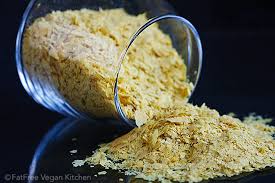
Vegan yeast flakes (nutritional yeast) cheese sauce made perfect for pasta, nachos, or vegetables.

freeze nutritional yeast flakes (vegan yeast) for long-term storage to keep them fresh, dry, and potent for up to 1–2 years. Freezing prevents degradation of flavor and nutrients, especially in warm climates.


½ cup nutritional yeast,

½  cup flour (or cornstarch),

1 tsp salt,

Add dry ingredients to 2 cups cold water/plant milk in a saucepan, whisking and heating until it thickens.

Stir in ¼  cup oil or butter

Optional: 1tsp mustard.

Tips for the Best Sauce

For Extra Cheesy Flavor: Add a squeeze of lemon juice.

For Color: Add 1/8 tsp of Turmeric for a bright yellow color.

If Too Thick: Whisk in more liquid, one tablespoon at a time, until desired consistency is reached.

Variations: Add smoked paprika for a smoky flavor, or onion powder for extra depth.


Textured Veg., Protein (TVP)

Dry, unopened textured vegetable protein (TVP) can last 1–2 years in a cool, dry pantry, though some sources suggest it can last even longer (up to 10+ years in sealed containers). Once opened, dry TVP should be used within 6–12 months. Cooked or rehydrated TVP lasts in the refrigerator for 3–5 days.

TVP Storage Guidelines:

  • Dry (Pantry): Keep in an airtight container or original packaging to prevent moisture absorption.
  • Rehydrated (Fridge): Store in an airtight container for 3–5 days.
  • Cooked (Freezer): Cooked TVP can be frozen for up to 3 months.
  • Signs of Spoilage: While rare, dry TVP will smell rancid if it has gone bad.

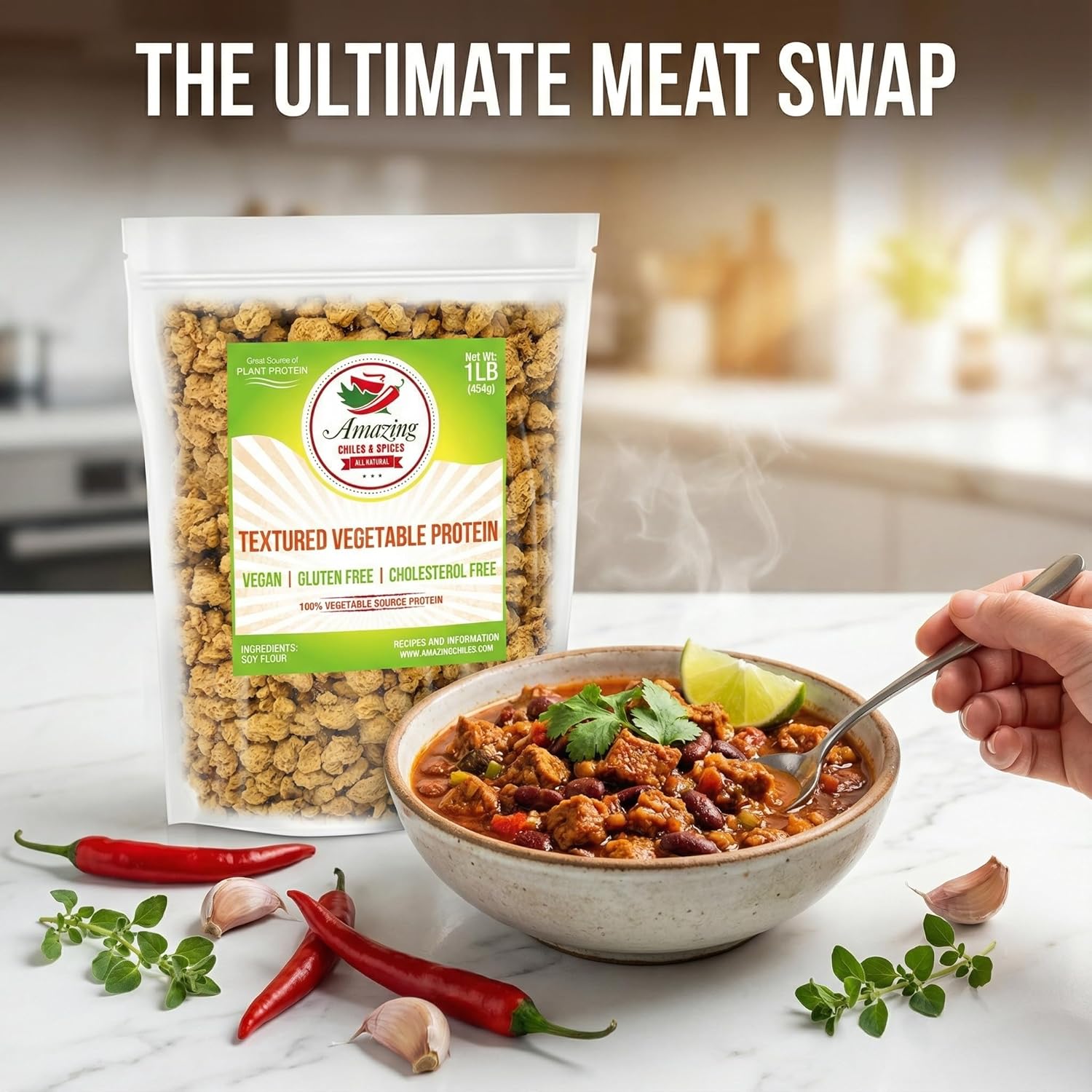
Textured Vegetable Protein (TVP) is a versatile, shelf-stable soy product ideal for replacing ground meat in tacos, chili, spaghetti bolognese, and sloppy joes. Simply rehydrate it with hot veggie broth or water for 5–10 minutes, then sauté with spices. TVP provides a chewy, protein-rich base for vegan meatballs, meatloaf, and casserole dishes.

Easy TVP Recipes and Ideas

  • TVP Tacos: Rehydrate 1 cup TVP with 1 cup hot vegetable broth, then stir in 3 tbsp taco seasoning and cook in a skillet.
  • Vegan Bolognese: Use rehydrated TVP granules as a direct swap for ground beef in tomato-based pasta sauces.
  • TVP Chili: Add rehydrated granules to your favorite chili recipe for a “meaty” texture.
  • Sloppy Joes: Mix rehydrated TVP with ketchup, soy sauce, and spices for a quick sandwich filling.
  • Sausage & Gravy: Use sage and fennel to season rehydrated TVP, creating a vegan sausage for gravy and biscuits.
  • Vegan Meatballs/Meatloaf: Combine rehydrated TVP with breadcrumbs, binders (like flax eggs), and seasonings before baking.

Tips for Success

  • Rehydration Ratio: Generally, use a 1:1 ratio of TVP to hot liquid (water, broth, or soy sauce).
  • Boost Flavor: TVP is mild, so season well with umami-boosting ingredients like soy sauce, nutritional yeast, tomato paste, or Worcestershire sauce.
  • Sauté Texture: To get a firmer texture, sauté the rehydrated TVP in oil until browned, similar to cooking ground meat.