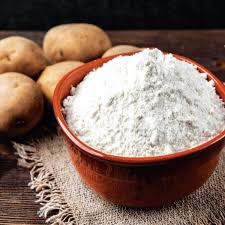
Potato flour is a highly moisture-retentive, gluten-free, and nutrient-dense ingredient used to improve the texture of baked goods, thicken liquids, and create crispy coatings. It is ideal for enhancing yeast breads, brioche, soft rolls, pancakes, and muffins by keeping them soft and fluffy. It also acts as a binder in meatballs and as a thickening agent for sauces and stews.
Key Tips for Freezing Potato Flour:
- Airtight Packaging: Store in airtight containers or vacuum-sealed bags to prevent the flour from absorbing odors or moisture from the freezer.
- Prevent Pests: Freezing for at least 48 hours to a week can kill any potential bug eggs.
- Thawing: Before using, allow the flour to return to room temperature to prevent condensation.
For optimal, long-term storage (potentially years), you can also use Mylar bags with oxygen absorbers after the initial freezing period.
Top Cooking and Baking Uses for Potato Flour:
- Baking and Bread Making: Replace 10–20% of your regular flour with potato flour in recipes to increase moisture retention and prolong freshness. It is excellent for yeast breads, sweet breads, cinnamon rolls, and pancakes for a tender, delicate crumb.
- Gluten-Free Baking: Adds essential moisture and improves the structure of gluten-free muffins, cakes, and quick breads.
- Thickener for Soups and Sauces: Mix into soups, stews, sauces, or gravies for a smooth, creamy texture. It is highly effective as a gluten-free thickener.
- Binding Agent: Use in meat, veggie patties, or meatloaf to help hold ingredients together while keeping them moist.
- Crispy Breading: Use as a coating for fried or baked food like chicken, fish, or vegetables to produce a golden-brown, crispy crust.
- Dessert Ingredient: Used to add body to cookies and help create a glossy finish in some pie fillings.
Tips for Using Potato Flour:
- Because it lacks gluten, it is generally not a direct 1:1 substitute for all-purpose flour in most baking recipes.
- Moisture Retention: Potato flour holds water, making it ideal for improving the texture of bread and extending its shelf life.
- Thickener: It can be used as a gluten-free substitute for thickening gravies, soups, and sauces.
- Substitution: In many yeast recipes, 1 cup of potato flakes can substitute for 1 cup of flour.
- Homemade Version: You can make your own by boiling and mashing potatoes, then dehydrating them for 4-10 hours before grinding into a fine powder.
- Nutritional Breakdown and Benefits
- Micronutrients: Potato flour is packed with potassium, iron, magnesium, calcium, and phosphorus, which are often lacking in refined white flours.
- Fiber: It contains a higher fiber content compared to all-purpose flour.
- Gut Health: While sometimes confused with pure potato starch (a type of resistant starch), potato flour retains some resistant starch benefits that can feed good gut bacteria.
- Glycemic Impact: Potato flour has a high glycemic index (around 95), which can cause faster blood sugar spikes compared to all-purpose flour (around 85).
- Usage: It is not a 1:1 substitute for wheat flour in baking because it absorbs more water and lacks gluten, making it ideal for adding moisture to breads or as a thickener.