
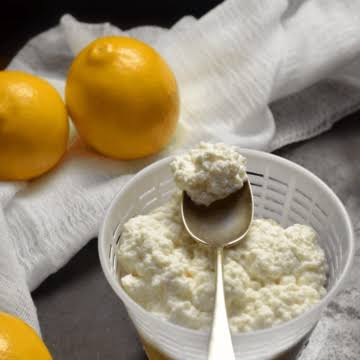
Ingredients
8 cups water
• 1½ to 2½ cups whole milk powder (check your specific package ratios to reconstitute 8 cups / 2 quarts of milk)
• ⅓ cup lemon juice or white vinegar
• 1 tsp salt (optional)
• 1 tbsp butter or oil (optional, helps whole/non-fat curds release better)
Instructions
1. Reconstitute the milk: Whisk the whole powdered milk into the 8 cups of water in a large saucepan until fully dissolved.
2. Heat the milk: Place the pan over medium heat and warm the mixture to about 185°F–200°F (just before a rolling boil, or when it begins to steam and get foamy). Stir constantly so the milk does not burn at the bottom.
3. Add the acid: Remove the pan from the heat. Gently stir in the lemon juice or white vinegar and salt (plus butter/oil if using).
4. Form the curds: You will see the milk instantly curdle, separating into white clumps (curds) and a yellowish-green liquid (whey). Let the covered pot sit undisturbed for 10 to 20 minutes.
5. Strain the mixture: Line your colander with cheesecloth (or use a fine-mesh strainer) and pour the mixture through it. Let it drain for 15 to 30 minutes depending on how dry or creamy you want your ricotta.
6. Finish and store: Gently press or squeeze the cloth to remove excess whey, then transfer your fresh ricotta to a sealed container. Store it in the refrigerator for up to one week.
Category: Cheese Making
Amish Melting Cheese

Good for mac and cheese
Ingredients:
1 gallon pasteurized whole milk
2 Tbsp citric acid
3 Tbsp melted butter
3/8th tsp salt
1 tsp baking soda
3 Tbsp Cheddar cheese powder
Instructions
Pour the milk into a saucepan and bring it to almost boiling over medium heat. 140 degrees still constantly, at 140 degrees remove from heat.
Sprinkle on the citric acid, all over the top.
Set for 1 minute
Gently stir into milk till curds are separated from the whey.
Rest uncovered for 10 min.
Using the small mesh colander, pour curds about 1/3 at a time, and allow curds to drain at least 2 min. and dump into bowl. Repeat till done.
Only use this whey well diluted, because of citric acid used, on tomato plants.
Return the cheese curds to the stove and add the remaining ingredients, cook on low and stir to remove curd and cheese lumps. 5-10 min
Store in fridge to thicken. Will store for 2 weeks in fridge.
Cheese using egg and sour cream
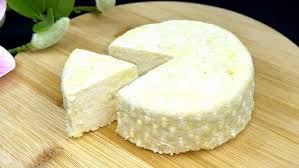
Ingredients
1 qt whole milk
4 eggs
16 oz sour cream
2 tbsp salt
In a large pot, bring the milk to a boil over medium-heat. Stir the milk occasionally so it doesn’t stick to the bottom of the pan.
In a large bowl, whisk the eggs with the salt. Whisk in the sour cream until the mixture is smooth and even.
As you continuously stir, pour the egg mixture into the boiling milk. Let the mixture cook for 7 minutes, stirring it every so often to prevent sticking. Cook until curls up. Allow it to cool to a room temperature.
Line a colander with cheesecloth and pour the mixture through.
Gather the cloth around the cheese and squeeze out as much of the milk as you can. Place the cheesecloth-wrapped cheese on a plate and place something heavy on top to weigh it down. Allow it to sit for at least 5 hours.
Refrigerate the cheese until you’re ready to use it. Enjoy!
Storing: To keep the cheese on hand for up to a week, store it in an airtight container in the refrigerator. This will keep the cheese fresh and will prevent it from drying out.
Freezing: To freeze the cheese, wrap it in plastic wrap and pop it into a plastic storage bag. Next, pop it in the freezer for up to 2 months. To thaw, place it in the fridge overnight.
Cream Cheese
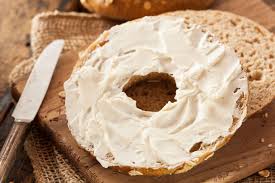
Cream Cheese
https://www.youtube.com/watch?v=JtK98_qv8OU
½ gal whole milk (2 liters)
4-5 Tb fresh lemon (vinegar can be used but not as well)
Scald milk, stirring, remove from heat
Add lemon, tablespoon at a time mixing well each time, even with milk hot
When curds form, strain through cheese cloth
Squeeze out all the whey gently
Blend curds with blender (hand blender ok), stand mixer will not work, it needs the blade.
Add a little whey or Cream if needed, until consistency you like.
Pinch of salt to taste as blending.
If not fluffy enough you can use stand mixer to fluff it up after it is blended with a blade.
Will keep 1-2 weeks in refrigerator
2 ingredient farmer cheese &(fried cheese)
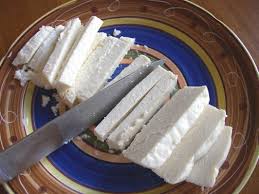
This recipe is as easy as it gets, and it’s one of those little kitchen miracles that remind us how beautiful simple food can be.
Ingredients: milk, vinegar (1/4 cup vinegar to 1/2 gallon milk)
Make as usual: scald about 200 degrees-slowly pour in vinegar – stir well- remove from heat- drain-salt to taste (1 tb salt per gal).
use whey in garden on tomatoes.
Can slice and flash freeze.
30 Minute Mozzarella Recipe
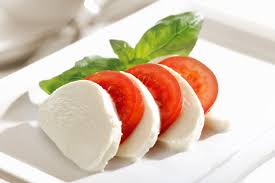
Yield 1 Pound
Ingredients
1 Gallon of Milk (not ultra-pasteurized)
1/4 Rennet Tablet or 1/4 tsp Single Strength Liquid Rennet
1.5 tsp Citric Acid
1 tsp Cheese Salt (adjust to taste)
Instructions
Choosing the Right Milk: Make sure the milk you use is not ultra pasteurized.
You can use homogenized or non-homogenized milk. Low fat milk will work, but the cheese will be drier and less favorful.
1 Prepare Work Area
Do not prepare any other food while you are making cheese. Put all food products
away.
Move all sponges, cloths and dirty towels away from your work surface, wipe your sink
and stove with soap and water. Finally use your antibacterial cleaner to wipe down all
surfaces.
2 Prepare Rennet
Crush 1/4 tablet of rennet and dissolve in 1/4 cup of cool non-chlorinated water, or add
1/4 tsp single strength liquid rennet to the water. Set your rennet mixture aside to use
later.
3 Mix Citric Acid & Milk
Add 1 1/2 tsp. of citric acid to 1 cup cool water, pour this into your pot.
Now, pour cold milk into your pot quickly, to mix well with the citric acid. This will bring
the milk to the proper acidity to stretch well later.
4 Heat Milk
Heat the milk slowly to 90°F. As you approach 90°F, you may notice your milk beginning
to curdle slightly due to acidity and temp.
Note: If you’re having problems with milk forming a proper curd, you may need to
increase this temp to 95°F or even 100F.
Fill a pot with water and begin heating it to 175°F (if heating curds without a microwave
in step 8).
5 Add Rennet
At 90°F, remove the pot from the burner and slowly add your rennet (which you
prepared in step one) to the milk. Stir in a top to bottom motion for approx. 30 seconds,
then stop.
Cover the pot and leave undisturbed for 5 minutes.
Check the curd after 5 minutes, it should look like custard, with a clear separation
between the curds and whey. If the curd is too soft or the whey is milky, let it set longer,
up to 30 more minutes.
6 Cut & Cook Curd
Cut the curds into a 1″ checkerboard pattern.
Place the pot back on the stove and heat to 105°F while slowly stirring the curds with
your ladle (if you will be stretching the curds in a hot water bath, rather than using a
microwave, heat to 110°F in this step).
Take the pot on the burner and continue stirring slowly for 2-5 minutes. (More time will
make a firmer cheese).
7 Transfer & Drain Curd
Follow Option A or B below
Option A: Heating with Water Bath
With a slotted spoon, scoop curd, from the pot, into a colander. Allow the whey to drain
into another bowl.
When done transferring the curd to the colander, pour whey back into the pot. Rest the
colander with curd in the pot of whey, to keep the curd warm.
Add a little salt to taste, about 1/4-1/2 tsp. The salt will work into the cheese in the
following steps. You can fold the curd over on itself as it drains to increase the amount
of whey running o.
The more you work the curd at this point the drier the Mozzarella will be.
Option B: Heating with Microwave
With a slotted spoon, scoop curds into a colander or microwave safe bowl (if the curd is
too soft at this point, let it sit for another minute or so).
Once transferred, press the curd gently with your hand, pouring o as much whey as
possible. If desired, you can reserve the whey to use later in baking or as a soup stock.
8 Heat Curd & Remove Whey
Follow Option A or B below
Option A: Heating with Water Bath
Begin by pouring some of the hot water, that has been simmering on the stove, into
another bowl, adjust the temperature to about 175F. This will be too hot for your hands
so have thick rubber gloves or use a spoon to work curd in the hot water.
Cut or break the curd into 1-2 inch pieces and begin placing them into the hot water.
Work the curd quickly by pressing them together and folding over in the hot water to
facilitate even heating.
Option B: Heating with Microwave
If in a colander, transfer the curds into a heat safe bowl. Next, microwave the curd for 1
minute.
If desired, add 1/4-1/2 tsp of salt to the curds for added avor.
You will notice more whey separation from the curd. Drain o all whey as you did
before. Quickly work the cheese with a spoon or your hands until it is cool enough to
touch (rubber gloves will help since the cheese is almost too hot to touch at this point).
Microwave two more times for 35 seconds each, and repeat the kneading as in the last
step to aid in more whey drain o and ensure even heating of the curds. Drain o all of
the whey as you go.
9 Knead & Stretch Curd
Follow Option A or B below
Option A: Heating with Water Bath
As the curd begins to meld together pull it from the hot water and begin stretching it. If
the curd does not stretch check and adjust your water temperature and re-submerge
the curd.
At first it may be lumpy but as the curd stretches, it will become smooth. Stretch it out
several times and fold it back on itself. If it begins to cool, you will notice it tear, place it
back in the hot water to re-heat.
When it forms a consolidated mass, stretches like tay and develops a sheen it can be
formed into a ball for the nal cheese.
Option B: Heating with Microwave
Now the fun begins, knead quickly now as you would bread dough. Remove curd from
bowl and continue kneading until it is smooth and shiny. Return it to the microwave if
needed (if it begins to cool before it’s ready to stretch). Add salt near the finish. At this
point, if hot enough, the cheese should be soft and pliable enough to stretch, and
stretch, and stretch some more. This is what makes it Mozzarella
When it forms a consolidated mass, stretches and develops a sheen it can be
formed into a ball for the final cheese.
10 Eat & Enjoy
The Mozzarella is now finished and ready to enjoy.
To chill the mozzarella and help maintain its shape place it in a brine solution of 2-3 tbs
of salt, 2-3 tbs of clear whey and 1 quart of very cold water.
Once cooled it can be wrapped and stored in the fridge where it will last for several
days, although it’s always best when eaten fresh.
Amish Melt Cheese (Cheddar)

Cheese making channel: https://www.youtube.com/@Cheese52/videos
Ingredients for this recipe:
1 gallon pasteurized whole milk:
heat 140 degrees, remove from heat
2 Tbsp citric acid:
sprinkle over heated milk, wait for it to dissolve, about 1 min. then stir into gently into the milk for separation
Let rest 10 min.
Drain: 1/3 at a time, pouring slowly.
Let curds Drain Well
Now add
3 Tbsp melted butter
3/8th tsp salt
1 tsp baking soda
3 Tbsp Cheddar cheese powder
1/2 cup milk reserved from gallon, optional if you want extra runny cheese spread.
Heat, on low heat, until curds are melted.
Store in refrigerator for up to 2 weeks.
Cheese – Mozzarella Recipe with Instant Nonfat Dry Milk
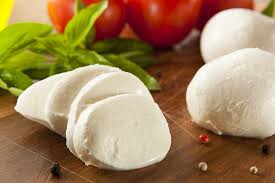
This recipe for Mozzarella involves adding cream to Non Fat Dry
Milk Powder. We’ve had great success using “Carnation” brand
milk so if you’re having problems with other brands give this one
a try. We’ve used many other brands along the way that also
work well.
Yield: 2 Pounds
Ingredients
Non Fat Dry Milk Powder for 7 Pints of Milk
1 Pint of Cream
Salt (optional)
1.5 tsp Citric Acid
1/4 rennet tablet or 1/4 tsp Single Strength Liquid Rennet
Instructions
Selecting Powdered Milk and Cream
This recipe for Mozzarella involves adding cream to Non Fat Dry Milk Powder. We’ve
had great luck using “Carnation” brand milk here so if you’re having problems with other
brands give this one a try. We’ve used many other brands along the way that also work
well.
Note: UltraPasteurized cream is fine to use since the calcium and proteins for the
cheese are already in the milk. To make the milk, mix 1 pint of cream with 7 pints of Dry
Milk Powder for one gallon of milk.
Below are is a list of the final fat % in 1 gallon of milk for varying types of cream:
Cream Type (1 Pint) Cream % Fat % for 1 Gal Milk
Double (rich) Cream 48% 6%
Heavy Whipping Cream 36-40% 4.5-5%
Light Whipping Cream 30-36% 3.7-4.5%
Light or Coffee Cream 18-30% 2.2-3.7%
Single Cream 20% 2.5%
Half and Half 10.5% 1.3%
The higher the fat content, the more difficult it is to retain the fat in the final cheese but
the better the flavor. When using a higher fat % the whey will be somewhat milky
looking. You can minimize this by treating the curd very gently at all stages.
Since your mix for this cheese is 7 pints of milk to 1 pint of cream you can either follow
the package mix directions for 1 gallon and drink the 1 pint of Non Fat Milk you remove
to make room for the cream addition or simply multiply the total dry milk powder
needed by .875 (7/8ths of a gallon) to make just the 7 pints. This will leave room for your
pint of cream. The easiest thing for us is to add 2 quarts of cool water with the dry milk
powder in a clean container and stir until the powder dissolves, then add this to an
empty sanitized gallon jug. The 1-pint of cream can now be added and then the jug
topped up to 1 gallon with cool water. Refrigerate this overnight and you have one
gallon of great milk to make your mozzarella.
1 Prepare Ingredients
Collect and sanitize all of your equipment and gather the ingredients.
A 2 gallon pot for the milk, a long knife, a colander, a couple of bowls, measuring cup,
and slotted spoon plus the ingredients and thermometer that came in your 30 minute
mozzarella kit are what should be in front of you now.
Next add 1/4 rennet tablet or measure 1/4 tsp. of liquid rennet into 1/4 cup of cool water
and set aside. Try to cut the tablet as carefully as possible into quarters but it does not
always work out that way. No worries- just do the best you can. You may notice that this
does not dissolve totally but it is OK. Simply add the entire mix when adding rennet.
Then measure out 1.5 tsp. of citric acid into a 1 cup measure of cool water. Make sure
that this is stirred until it all dissolves.
2 Acidify & Heat Milk
Your next step will be to add the citric acid to the milk. This will increase the acid and is
responsible for the final stretch of the mozzarella. It will also assist the rennet in forming
the curd.
Pour the citric acid solution you prepared above into the cold pot and then quickly pour
the milk on top of this. It is very important to stir well as you do this to prevent any
localized coagulation which will appear as curds floating to the surface. There should
be little to no curds forming at this stage.
Next, begin to heat the milk slowly at medium heat to 90-92°F. Stir well enough to keep
the milk from sticking/scorching. We usually turn the burner off a degree or two before
we reach our final temp to keep from overheating. The milk always seems to coast up
that last few degrees.
3 Coagulate with Rennet
At 90-92°F add the 1/4 tsp rennet or 1/4 rennet tablet dissolved in 1/4 cup water and stir
for 20-30 seconds. Then allow the milk to rest at this temp totally still for coagulation.
Initial firming of the milk will take place at about 2-2.5 minutes but allow the milk to firm
a full 7-10 min. before cutting.
4 Cut Curds to Release Whey
Once the curds form cut them into a checkerboard pattern of 3/4 -1 squares (larger for
moister mozzarella). Wait 1-2 min. then very gently (curd is very soft at this point still) cut
horizontal layers with ladle or spoon. Result should be as equal in size as you can
manage.
NOTE: The longer the curd is stirred at this point and the higher the temp (95-105°F),
the drier the final cheese will be because the heat causes more whey to be released.
The curd at this stage will hold a good shape but these are very fragile (see what
happens if you drop one on the floor). Stirring should be very gentle until they have
been cooked for a while.
5 Remove Whey
Once the curd forms well and seems to be releasing whey it is time to separate the
curds from whey. Allowing the curds to settle and consolidate for a minute or two will
initially separate the whey.
Then the excess whey that rises can be poured off while holding the curds back with
your hand. The curds should now be carefully transferred to a bowl with a spoon or
perforated ladle (best). Further whey separation can now be done by pulling the curd
back to the center of the bowl. You will see more whey running off at this point and this
should be removed. Once the curd begins to consolidate well it is time to heat the
curds to develop the stretching character of mozzarella.
6 Heat the Curd
Choose one of the following methods to heat the curds:
A) Our 30 minute system is quicker because we simply use 3 cycles in the microwave to
heat the curds to the point of stretching.
1. The first stage of 60 seconds on High will cause more whey to be released as the
curds heat. The cheese is removed and folded back on itself several times releasing
more whey which is removed.
2. The next step is back into the microwave for 30 seconds on High. This will now
cause the curds to consolidate more and begin to stretch. Folding and removing
whey now have your cheese looking more like mozzarella. At this point the cheese
may simply stretch of its own weight.
3. The final cycle is again 30 seconds and your cheese should now be stretching well.
Following this cycle it may be too hot to handle so using gloves or a pair of sanitized
wooden spoons will help.
B) Traditional hot whey or water for stretching.
This is more in line with the traditional process but takes a bit more time. 2 quarts of
water or whey are heated to 175F. This will be too hot for your hands so use heavy
rubber gloves or a couple of sanitized wooden spoons to manipulate the curds. The
curd you have made is now placed in the water and folded back and forth on itself to
distribute the heat. This may take 3-5 minutes and you should note that the curd is
ready to stretch on its own when it is ready.
Click HERE for a detailed description of this process without using a microwave.
As the curds are heated note the whey that has been released as the curds are heated.
Quickly as in the previous step, press/knead the curds while pouring off the whey. Do
this several times.
NOTE: the more you press the curds during this phase the more whey will be removed
and the drier the cheese will become. This is a matter of personal preference and with
experience you will be making the perfect cheese to your own taste.
7 Stretch the Curd
The Mozzarella should now be ready to stretch. Begin by allowing the cheese to stretch
under its own weight as in the photo to the left. Once your mozzarella begins to stretch
you can now give it the characteristic smooth texture of mozzarella by stretching and
folding the curds like taffy. If the cheese begins to stiffen up and resist the stretch,
reheat it in the microwave or in the hot water.
The more times you do this the smoother it will become. This is also the point where
you add the quantity of salt you like (1/4-1/2 tsp. should be good to start with) to the
cheese as you stretch it. In Italy this is the point where they become creative and shape
little pigs and cows from the fresh cheese.
Here is also where you need to exercise restraint to keep from playing with your food.
Once you are happy with your cheese you can form it into a nice round ball to chill and
store.
8 Chill & Salt
It is now time to cool the cheese to retain its shape. While warm the cheese will simply
slump into a flat disk. Once you have formed the cheese as you wish, it should be
dropped into a pan of ice-cold water. You can also drop it into a cheese form or small
plastic container to hold its shape. An hour or so here should cool it through. Then
move it to the fridge for further cooling. If it sits in the cold water too long the surface of
the cheese will soften too much and salt will be pulled from the cheese.
Farmer Cheese Pie
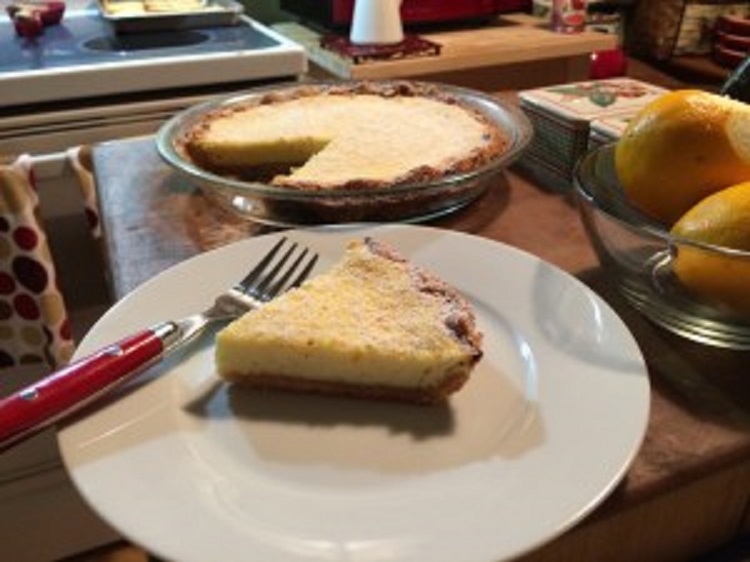
Yields: 2 pies
Ingredients:
2 homemade pie crust, rolled out to a circle, 10-inches in diameter, 1/8-inch in thickness
Or
2 Marie Callender’s Pastry Pie Shell, store-bought ready-made frozen pie crust shell, pan included.
2 (7.5-ounce) bars of Farmer cheese, room temperature
3 1/2 cups powdered sugar
1 teaspoon of Kosher salt
5 large eggs, room temperature
2 tablespoons pure vanilla extract
zest of 1 lemon
1 1/2 cups of heavy cream
all-purpose flour
Note: Transfer the store-bought ready-made pie shell to the refrigerator the day before you plan to blind bake (pre-bake) the pie crust.
Preheat oven to 375-degrees F.
Directions For Partial Blind Baking:
After allowing the pies shells to rest n the refrigerator for 1 hour, place a piece of parchment paper in the bottom of the pie crust, making sure to make the parchment flush with the crust. Add dried beans (or pie weights) to both pie shells. Push the beans towards the edges of both pies. Place on a rimmed baking sheet and bake for 20 to 25 minutes, or until the crimped edges are set but not browned.
Remove the pie shells from the oven. Next, carefully remove the parchment paper with the dried beans.
Note: DO NOT remove the silicone cover and or aluminum foil covering the edges while the pies are cooling.
Reduce oven temperature to 350-degrees F.
Directions For the Filling:
Using an electric mixer on low speed, mix the farmer cheese and powdered sugar together. Add the 5 eggs, one at a time, until they’re all combined. Add vanilla extract, Kosher salt, lemon zest, and heavy cream.
Evenly distribute the pie filling into each pie.
Place the pie’s, on a rimmed baking sheet, on the center rack and bake for another 35 to 40 minutes.
After the pie comes out of the oven, remove the silicone cover, and let cool for 30 minutes on a cooling rack. Dust the pies with some powdered sugar. Farmer Cheese Pie is delicious at room temperature or chilled. Refrigerate the pies to store them.
Note: Times may vary depending on whether you’re baking in a glass or some type of metal pan. These vessels can affect the outcome of the pie.
*Dock: Pricking holes in the rolled-out pie dough allow the steam to escape while it’s baking. Without this, the steam would puff up in bubbles and pockets throughout the crust.
*Partial Blind Baking: Sometimes called pre-baking, is the process of baking a pie crust or other pastry without the filling.
*Fully Blind Baking: First, follow the steps above, in the section marked, directions for partial blind baking.
Next, cover the crimped edges, of the pie, with either a silicone cover or aluminum foil to prevent the edges from burning. Bake for an additional 15 to 20 minutes, or until the bottom crust is browned and cooked through. Fully Blind baking a pie crust is necessary when it will be filled with an unbaked filling (such as pudding or cream pies in which case the crust must be fully baked. Cool before filling.
Note: For best results, use the frozen pie dough or frozen pie crusts within 3 months. You can also refrigerate unbaked pie dough or unbaked pie crust for up to 3 days. Keep tightly covered with aluminum foil or plastic wrap.
Farmer Cheese
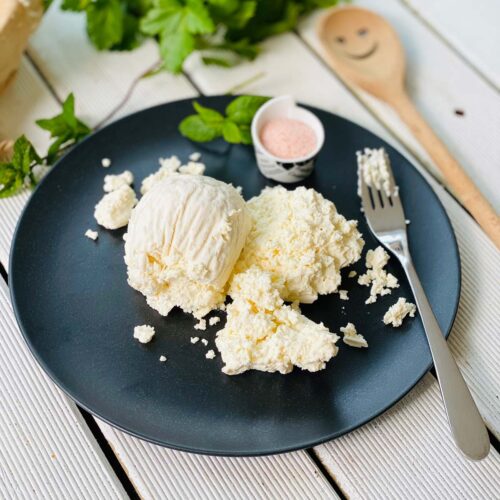
Farmer Cheese
Servings:16 servings
Ingredients:
1 gallon whole milk
1/2 cup vinegar or lemon
2 teaspoons kosher salt
6 tablespoons finely chopped fresh dill, chives or ground herbs of your choice
Directions:
1 gallon milk in large pan and slowly heat until 190 degrees. The top will be a fine foam of bubbles. Stir occasionally while heating. Remove from heat
Slowly add 1/2 Cup vinegar or lemon juice, and stir the milk. Curds will immediately begin to form.
Let the milk sit for 15 minutes without stirring.
After 15 minutes, add the herbs, if using.
6tablespoons finely chopped fresh dill, chives or ground herbs of your choice
Optional:
1 -1/2 teaspoon Citric acid can replace vinegar or lemon
Place a colander over a large bowl or pot. Drape either a dampened cheesecloth or thin dampened clean dish towel over the colander. Pour the curds into the cheesecloth. The whey, all the liquid in the mixture, will drain and be collected in the bowl below, while the solid curds will be caught in the cheesecloth.
Lift the cheesecloth and wrap it around the curds, twisting and squeezing to remove as much moisture as possible.
After squeezing out the moisture, the curds for farmer cheese will be dry and crumbly. If you want a creamier texture, mix a little of the reserved whey back into the curds.
Add 2 teaspoon kosher salt and stir it together.
To shape the cheese, keep it wrapped in cheesecloth and form it into a mound on a plate. Set another plate on top and press the curds into a flat disc that is 1 to 2 inches tall. Cover and refrigerate for 1 hour or so before removing the cheesecloth.
To make a ball, tie the cheesecloth with a length of butcher’s twine, attach it to a shelf in the refrigerator or a wooden spoon, and suspend it over a bowl. Gravity will help shape the cheese into a ball and remove any excess moisture.
How to Store
Farmer cheese will keep for up to a week in the refrigerator when stored in an airtight container.
You can freeze farmer cheese; wrap in plastic wrap and place in a zip-top freezer bag. Upon thawing it, however, the texture will be a bit crumblier.
If saving the whey, store it in a sealed container in the refrigerator for up to one week.